Be yourself; Everyone else is already taken.
— Oscar Wilde.
This is the first post on my new blog. I’m just getting this new blog going, so stay tuned for more. Subscribe below to get notified when I post new updates.
Everyone Needs a Tune-up
Be yourself; Everyone else is already taken.
— Oscar Wilde.
This is the first post on my new blog. I’m just getting this new blog going, so stay tuned for more. Subscribe below to get notified when I post new updates.
Communication skills are abilities that allow you to clearly convey ideas, whether it be through writing, talking, or signing. They’re usually soft skills, but some are considered hard skills (like public speaking or fluency in a second language).
No matter your age, background, or experience, effective communication is a skill you can learn. The greatest leaders of all time are also fantastic communicators and orators. In fact, communications is one of the most popular college degrees today; people recognize the value of a truly efficient communicator. With a little self-confidence and knowledge of the basics, you’ll be able to get your point across in no time.Some examples include communicating ideas, feelings or what’s happening around you. Communication skills involve listening, speaking, observing and empathizing.
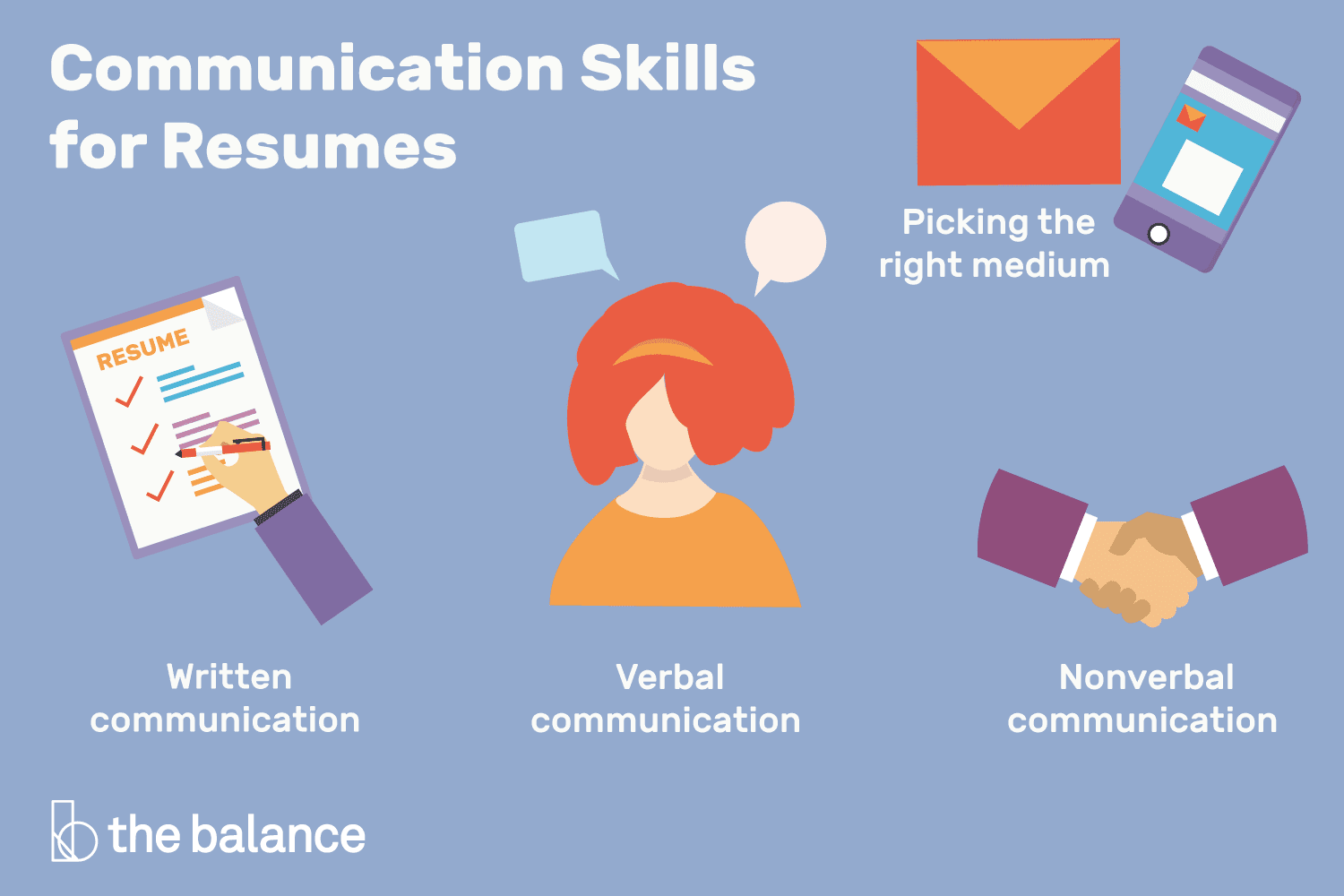
Written Communication:
The Written Communication refers to the process of conveying a message through the written symbols. In other words, any message exchanged between two or more persons that make use of written words is called as written communication.
It is the most common and effective mode of business communication. In any organization, the electronic mails, memos, reports, documents, letters, journals, job descriptions, employee manuals, etc. are some of the commonly used forms of written communication.
Verbal communication:
Verbal communication is any communication that uses words to share information with others. These words may be both spoken and written.Communication is a two-way process.

Effective verbal communication skills include more than just talking. Verbal communication encompasses both how you deliver messages and how you receive them. Communication is a soft skill, and it’s one that is important to every employer.
Workers who can convey information clearly and effectively are highly valued by employers.
There are a number of tools and techniques that you can use to improve the effectiveness of your verbal communication. These include reinforcement, reflection, clarification, and questioning.
Non-verbal communication/Skills:
Non-verbal communication includes facial expressions, the tone and pitch of the voice, gestures displayed through body language (kinesics) and the physical distance between the communicators.
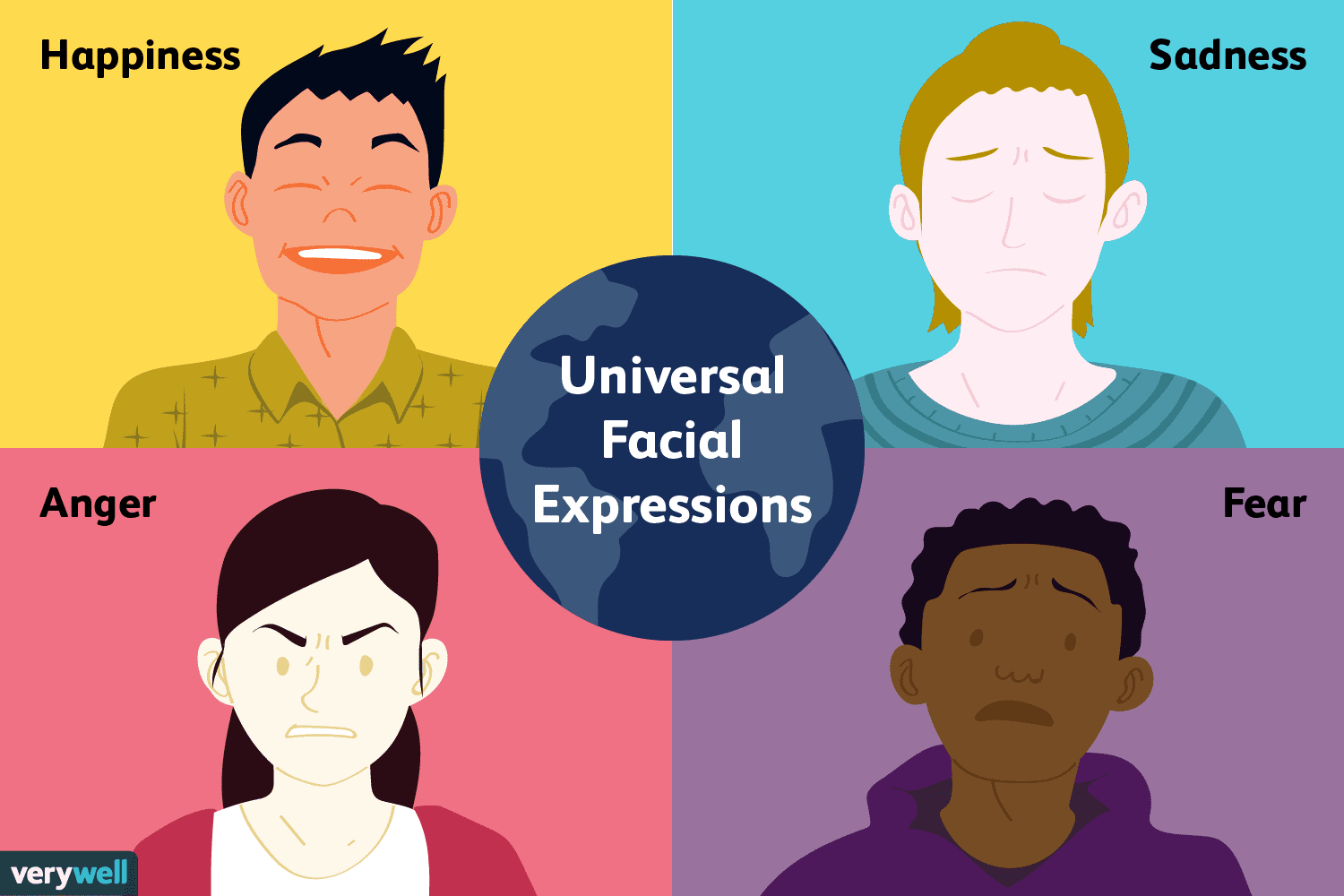
These non-verbal signals can give clues and additional information and meaning over and above spoken (verbal) communication. Indeed, some estimates suggest that around 70 to 80% of communication is non-verbal!
Hard Skills vs. Soft Skills:
Hard skills are specific abilities and know-how (e.g., Photoshop, cash register).
Soft skills are self-developed, life-learned attributes (e.g., social skills, adaptability).
Combined, these make up a skill set, which is a job seeker’s range of skills and abilities.
Communication skills fall under the soft skills.
Similarly, there are communication skills for the workplace, and there are great ones that are highly-prized at the office and worth including in your resume.
List of communication skills that are most important in today’s workforce:
Being a good listener is a top way to be a good communicator.
You can launch a diatribe at your cat about who won the election, and the cat will hearyou. That’s not listening. Listening is not just hearing something; it must be accurately received and interpreted for it to have been done effectively.
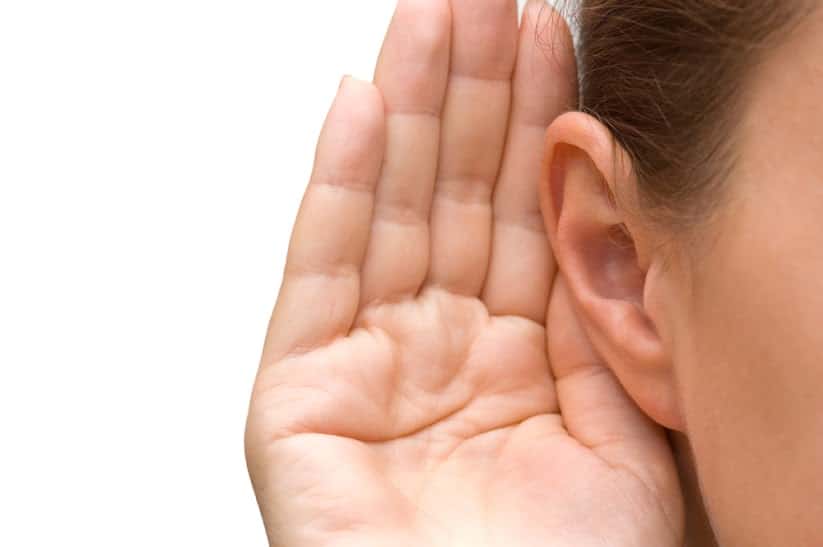
A bad listener makes for a bad manager or employee. They won’t be able to comprehend what’s being asked of them, much less get it done.
Reflection is when you stop and consider incoming communication, rather than merely comprehending it.
You can have a talk show playing in the car during your morning drive, but is it just background noise or are you actively paying attention.
When people communicate with you, they don’t want to talk to a wall (otherwise, they could just talk to a wall). They not only want you to hear what they’re saying, but understand it, chew on it, turn it over in your head.
A friendly tone, an upbeat and polite attitude, and a general air of openness all play an outsize role in fostering communication.
See, this open air creates rapport and makes people feel comfortable when thinking about approaching you.
Let’s say you’re a manager. You’re trying to assure your team layoffs won’t happen. Employees will believe you if you back it up with a confident attitude, and if they can feel that you mean it (well, data and a renewed contract would help!).
Good communicators enter conversations with an open mind while displaying empathy and respecting the person they speak with, as well as their message.
Don’t immediately dismiss someone, their opinions, their ideas, or their solutions simply because you don’t believe in them, their point of view, or their message.
Communication is a two-way street, so being able to give constructive feedback is just as important as accepting it gracefully.
As a member of a team, and especially if you’re in management, you want to give feedback that recognizes the work and contributions of others.
Summary:
If you want to work on developing your communication skills, practice making eye contact and speaking slowly and clearly whenever you talk to someone. Try practicing in front of a mirror, and take breaks to look up words you don’t know in a dictionary. You can also watch videos of public speakers and pay attention to how they animate their voice so they don’t sound monotone. For more ways to improve your communication skills, like using hand gestures and body language, scroll down!.
Is having a good home gym really better than going to a regular gym? Is a regular gym membership a more sound investment than buying home gym equipment? Many would say that it would depend on a person’s physical needs and maybe even a person’s physical abilities. Others would say that economics could play a vital role in determining whether the latter can be more practical than the first. To draw a more accurate conclusion, it may be better to point out the advantages and disadvantages of both subject matters.
What are the advantages of owning a good set of home gym equipment? For one thing, having the luxury of working at home doesn’t put pressure on a person’s daily schedule. The home gym owner gets to go home straight from work or errands to get some exercise rather than spend several minutes (or hours depending on the road traffic) going to the public gym. Another advantage is that the owner gets to workout at his or her own pace instead of waiting in line to use certain gym equipment or machines. Having a gym at home also eliminates the hassles of monthly fees and unwanted contact with other sweaty people. Owning personal gym equipment also avoids the possibility of embarrassment of falling or awkward movement during failure of certain exercise manoeuvres. Of course with advantages also come disadvantages of having a home gym.
First of all, initial investment on purchasing personal gym equipments or machines is quite pricey (unless one has the patience to search for used equipments). Aside from the price issue, there is also the matter of space. Gym equipments require a spacious and safe area especially if the owner has kids around the house. Finally, although not true for everyone, owning personal gym equipments can promote procrastination. Since everything is already there, the owner may have an excuse of putting off a workout since he or she has all the benefits of personal time.
How about going to a regular public gym? What are the advantages this option presents as opposed to owning good home gym equipment? Initially, a person wouldn’t have to invest a big amount on membership. Twenty or Fifty dollars is definitely cheaper than 1,000 dollars. Another advantage is one can get the benefits of a training partner or gym instructor when it comes to performing challenging exercises. Some public gyms even offer members sauna, spa, and massage treatment – perks that one can definitely not receive when exercising at home. Public gyms also offer more variety when it comes to equipment and forms of exercises so a person may get a better workout. Public gyms also create an environment for interaction and socialization.
One may learn more or even meet interesting people for a larger set of friends. Disadvantages include having to drive through traffic or walk through heavy rains just to get to the gym. Also, although initially a gym membership may be affordable, in the long run, the cumulative expense comes much higher than the initial expense in the purchase of good personal gym equipments. Another disadvantage is waiting in line to use certain equipments. This not only ruins a person’s exercise routine but also extends his or her time in the gym and away from home.
As it turns out, both subject matters present their own shares of advantages and disadvantages. So how are people going to determine whether they should just buy good home gym equipment or join a public gym? The decision would have to fall on the prerogatives of the individual. If a person can’t afford personal equipments but feels the need to get a good workout, then he or she should just join a public gym. If a person has no extra time in his or her daily schedule to hit the gym or the person has to be home right after work or errands, then he or she would have to spend some money on good home gym equipment. The most important thing to do, whether one is exercising at home or in the gym, is to actually exercise.
Owning your own Home Gym Equipment is becoming more and more popular, choosing what equipment to purchase can be a daunting task as there are many to pick from. Reviews on a variety of home gym equipments can be found at http://www.HomeGymEquipmentGuide.com [http://www.homegymequipmentguide.com] some of the equipments reviewed have great discounted price.
This is an example post, originally published as part of Blogging University. Enroll in one of our ten programs, and start your blog right.
You’re going to publish a post today. Don’t worry about how your blog looks. Don’t worry if you haven’t given it a name yet, or you’re feeling overwhelmed. Just click the “New Post” button, and tell us why you’re here.
Why do this?
The post can be short or long, a personal intro to your life or a bloggy mission statement, a manifesto for the future or a simple outline of your the types of things you hope to publish.
To help you get started, here are a few questions:
You’re not locked into any of this; one of the wonderful things about blogs is how they constantly evolve as we learn, grow, and interact with one another — but it’s good to know where and why you started, and articulating your goals may just give you a few other post ideas.
Can’t think how to get started? Just write the first thing that pops into your head. Anne Lamott, author of a book on writing we love, says that you need to give yourself permission to write a “crappy first draft”. Anne makes a great point — just start writing, and worry about editing it later.
When you’re ready to publish, give your post three to five tags that describe your blog’s focus — writing, photography, fiction, parenting, food, cars, movies, sports, whatever. These tags will help others who care about your topics find you in the Reader. Make sure one of the tags is “zerotohero,” so other new bloggers can find you, too.

 Gym Equipment